
The island's wines: Biancolella, Forastera and Per' e Palummo
Three grapes, one of Italy's oldest DOC areas and vineyards carved out of the mountain with green tuff walls. Here is what we pour on Ischia.
2 min read Ischia
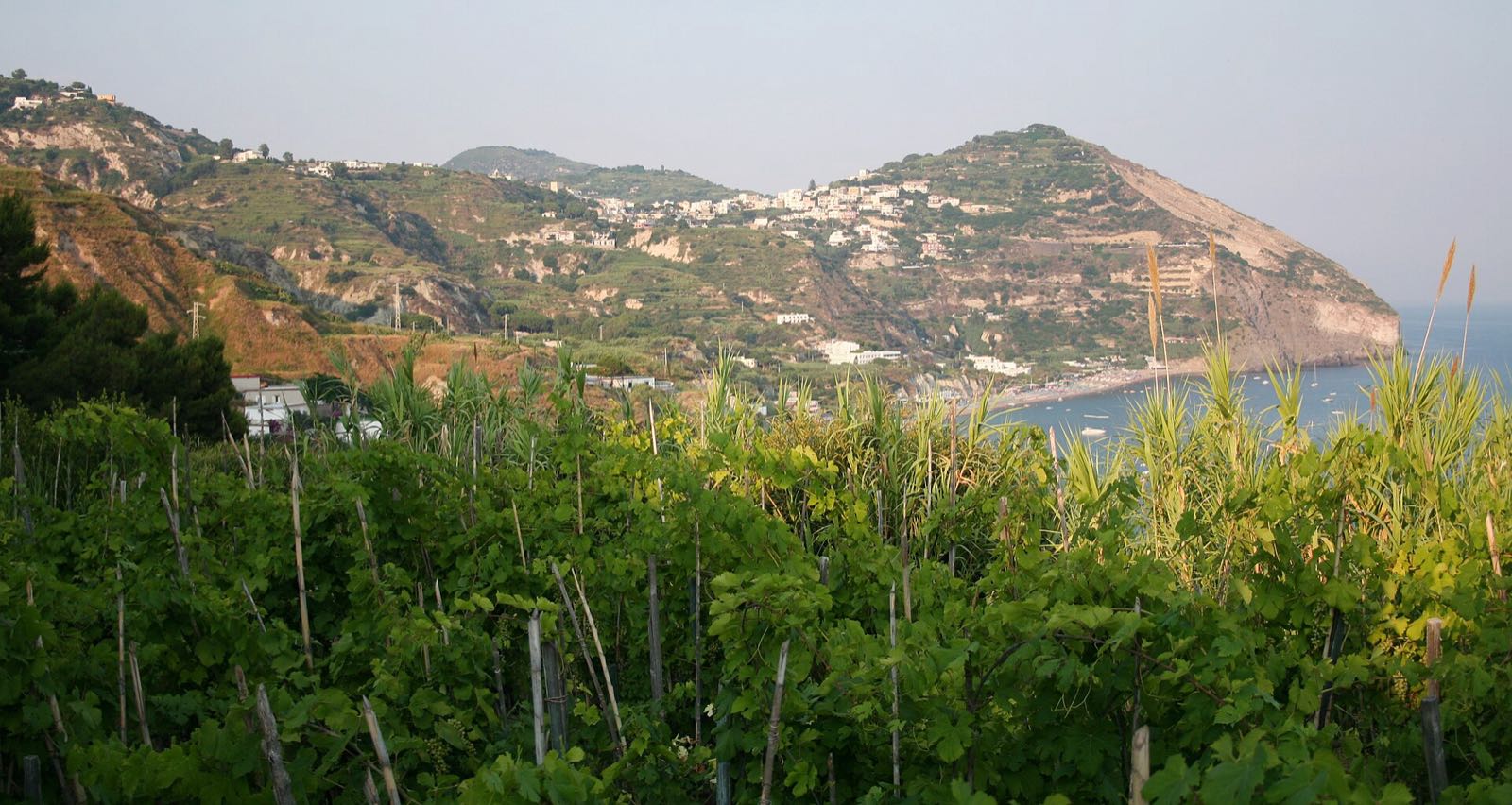
On Ischia wine is not an accessory to the meal: it is the meal. Until a few decades ago almost every family had its own patch of vines, and even today, if you step into a country house in Forio or Serrara, sooner or later someone will pour you a glass "of ours". To understand Ischia, you have to pass through here too.
A story nearly three thousand years long
The vine was brought by the Greeks when they founded Pithekoussai, the first settlement of Magna Graecia. At Punta Chiarito, near Forio, traces of an ancient vineyard and of grape processing have been found, and the famous Cup of Nestor, unearthed at Lacco Ameno, carries an inscription about the pleasures of wine.
In modern times the island got there before most: the Ischia DOC dates from 1966, the first in Campania and among the very first in Italy. The rules cover a white, a red, a sparkling wine and single-variety wines.
Three names to remember
- Biancolella: the island's best-loved white. Fresh and savoury, with a delicate scent of flowers and citrus. To carry the name on the label it must be at least 85% Biancolella.
- Forastera: the other white grape, a little fuller and more structured. Blended with Biancolella it makes Ischia Bianco, where Forastera is the larger share.
- Per' e Palummo: our name for Piedirosso. In dialect it means "pigeon's foot", because the red stalk, as it ripens, looks like a pigeon's leg. It gives a light, fragrant red that we happily drink slightly chilled in summer, with rabbit or oily fish.
The rules also allow an Ischia Rosso, from Guarnaccia and Piedirosso, and a passito version of Per' e Palummo.
The parracine: vineyards hanging from the mountain
Climb towards Mount Epomeo and you see them everywhere: dry-stone walls of green tuff holding up narrow terraces, one above the other, right down to the cliffs over the sea. We call them parracine. Generations of farmers and stonemasons built them by hand, stone by stone, to wrest a scrap of farmland from the mountain.
Machines cannot reach these terraces: the work is done by hand, the harvest goes into baskets and the grapes often come down on people's shoulders along steep paths. It is real labour, which is why every bottle of Ischia wine carries a piece of landscape with it. Many old cellars are dug straight into the tuff, cool all year round.
How to drink them like a local
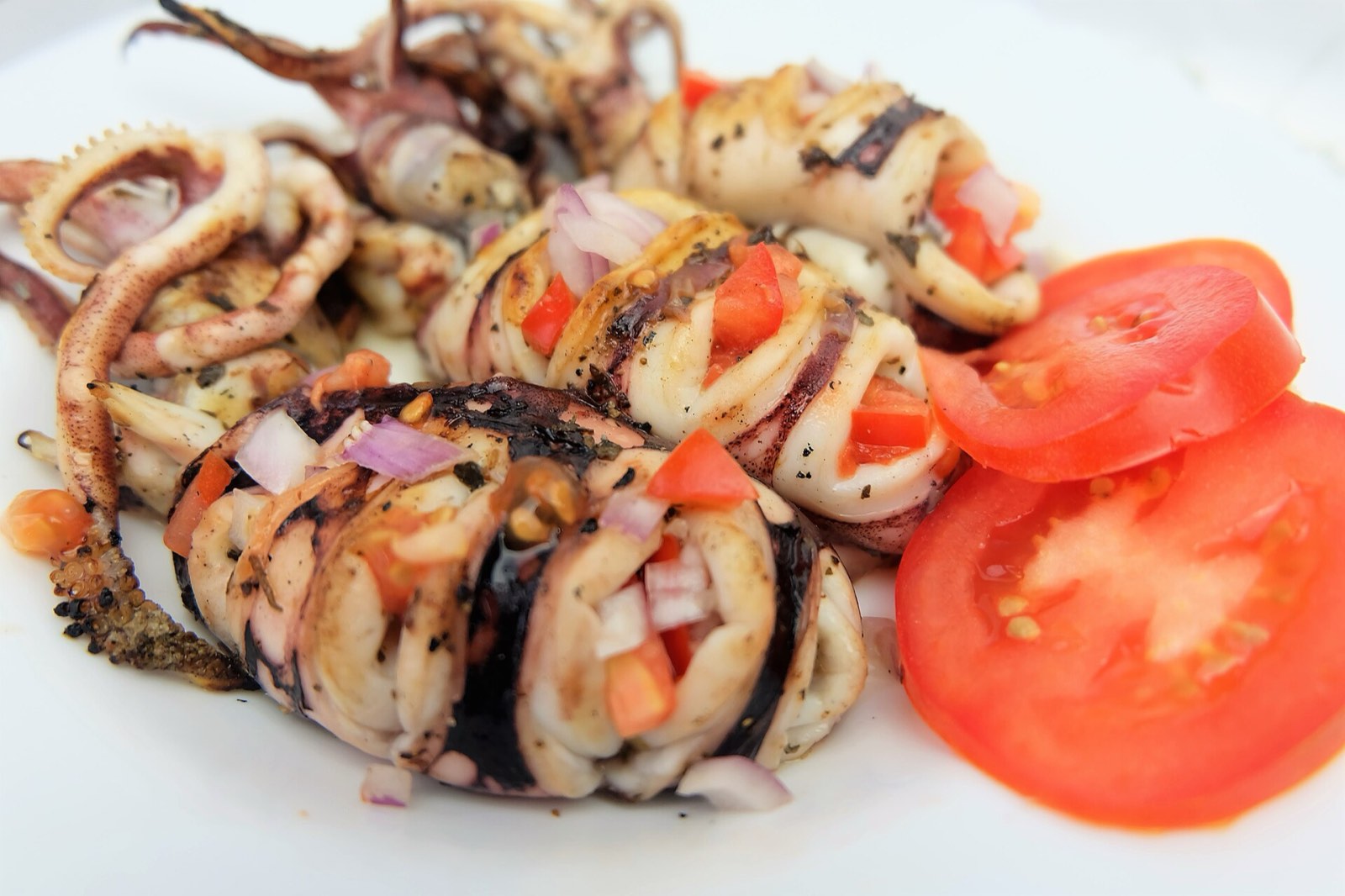
- Biancolella goes with fish, fried seafood, spaghetti with clams. Serve it cool, not ice-cold.
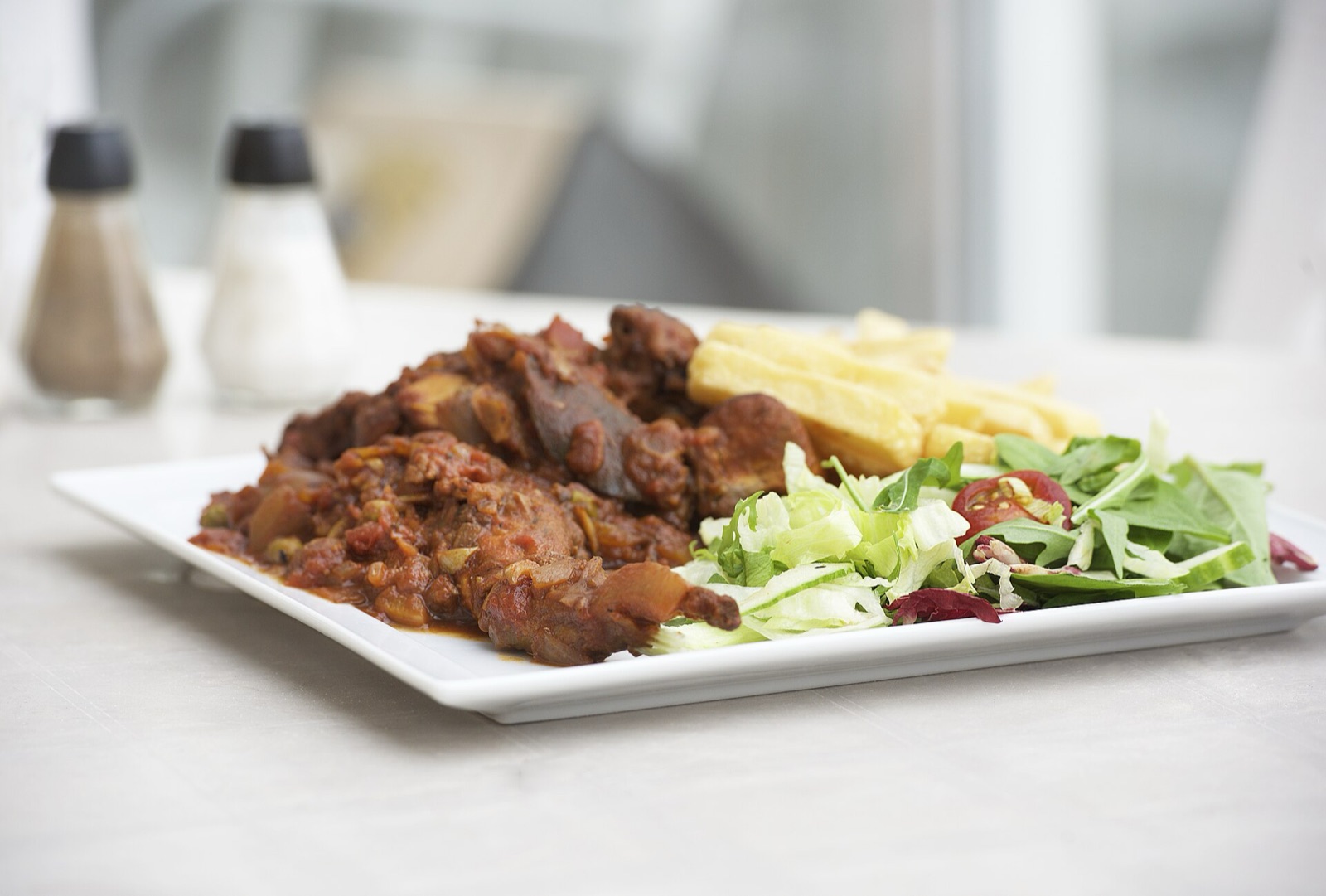
- Per' e Palummo is the wine for coniglio all'ischitana, our rabbit stew: try the pairing at least once.
- In many homes the harvest falls between late summer and early autumn. If you are around then and get invited, go: it is a family celebration.
- In the island's wineries, always ask to taste before you buy. It is normal here, and one glass leads to another.
A local's tip: don't hunt for the "important" bottle. Look for the one that tastes of land and sea at once, ideally drunk on a terrace in Panza at sunset. That is where Biancolella shows its best.