
Lemons and homemade limoncello, the Ischia way
Lemon trees among the terraces, peel in the jar, the bottle in the freezer. Our family recipe and the tricks to get it right.
2 min read Ischia
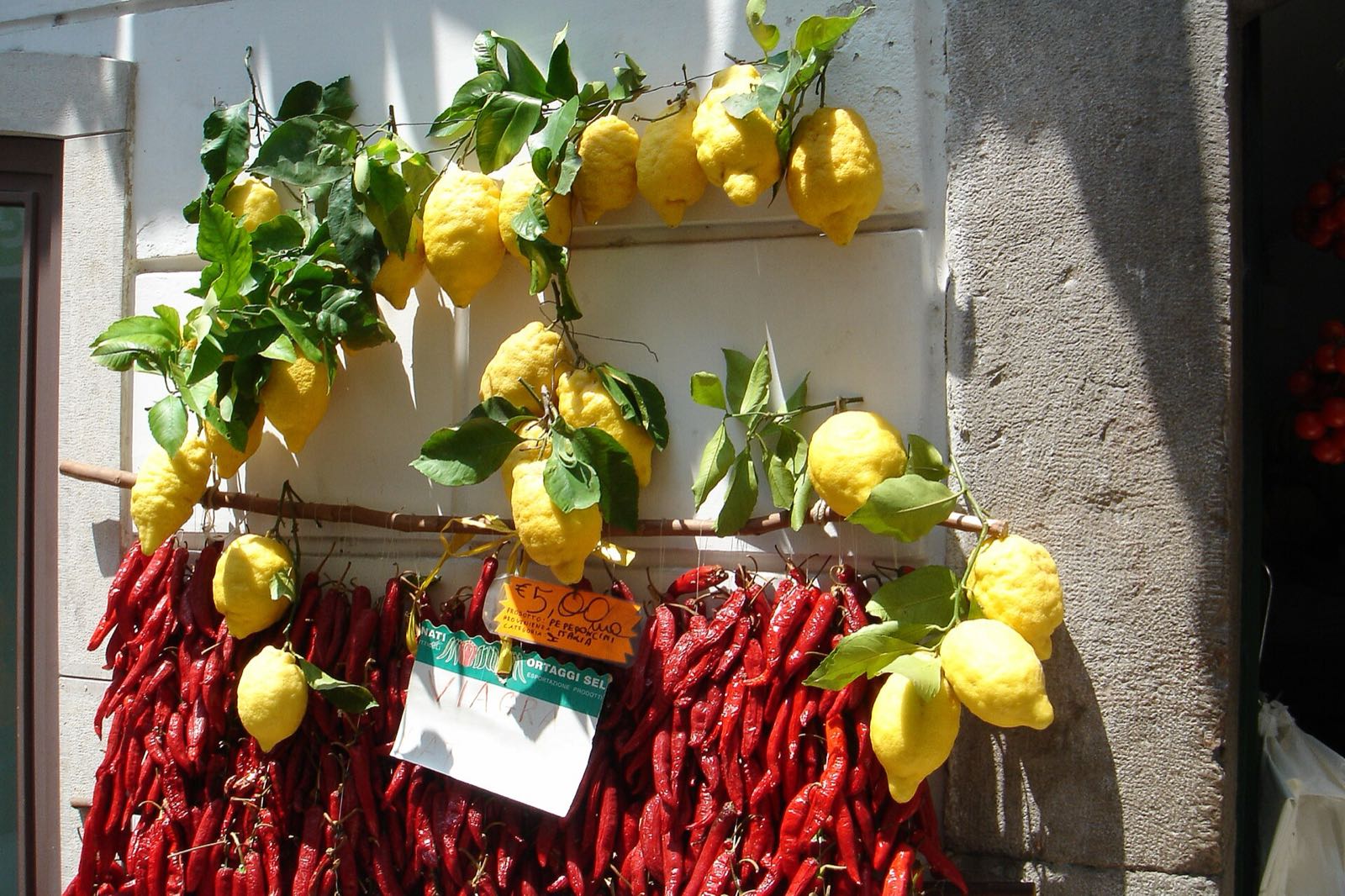
On Ischia you don't buy lemons: you ask for them. "Teng' 'nu poco 'e limone?", I've got a few lemons, is something you hear between neighbours almost every day. The island has old lemon groves on stone terraces, but above all there is a tree in almost every garden, laden for much of the year.
Lemons in everyday life
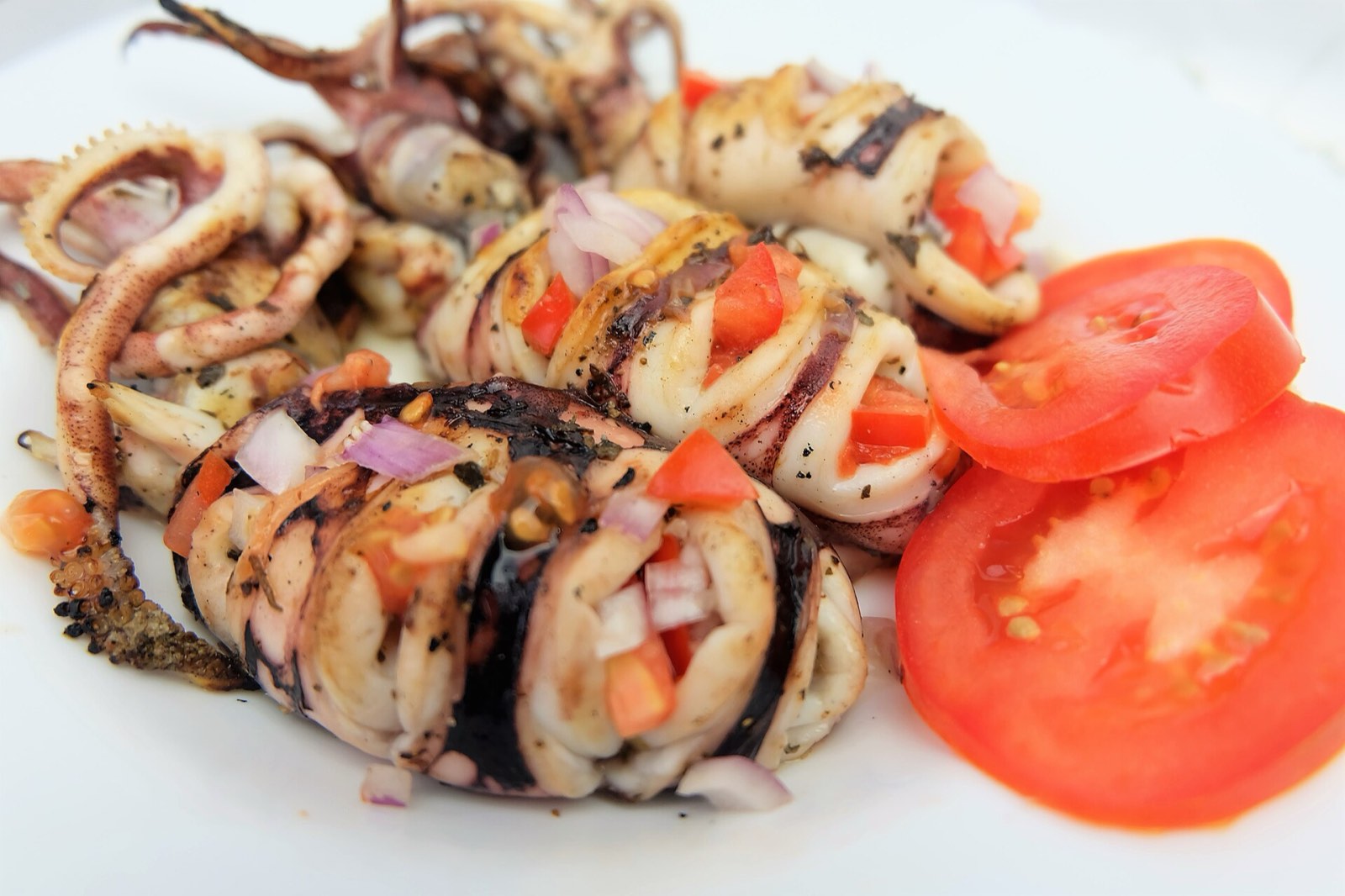
Lemon finds its way into everything here. Squeezed over grilled fish and fried seafood, grated into Sunday cakes, sliced into cool water in summer. Just rub a leaf between your hands to catch the scent of the tree, and it stays on your fingers for hours.
And then there is limoncello. Every family keeps a bottle in the freezer, and it is almost always homemade. Offering it after a meal is a gesture of hospitality; turning it down is almost an insult.
Choosing the right lemons
Limoncello is made only with the peel, so everything starts there.
- Use unwaxed, untreated lemons, ideally organic or from a tree you know.
- Look for thick, rough, very fragrant skin: that is where the essential oils are.
- They should be ripe but firm. Old lemons have dry skin and give less aroma.
The family recipe
Every family has its own quantities and timings. This is an indicative base that works well.
- 1 litre of 95% food-grade alcohol
- about ten untreated lemons
- 1.5 to 2 litres of water
- 700-800 g of sugar
Wash and dry the lemons. With a vegetable peeler, take off only the yellow part of the skin: the white pith, the albedo, is bitter and spoils the liqueur. Put the peel in an airtight glass jar, cover with the alcohol and leave it in the dark. Some wait one week, others two or three: the peel is ready when it turns pale and brittle, having given its colour to the alcohol. Shake the jar every day.
Make the syrup by heating water and sugar until the sugar dissolves, then let it cool completely. Strain the alcohol, mix it with the cold syrup and bottle it. Let it rest for at least a few weeks somewhere cool and dark before drinking.
Tricks to get it right
- The syrup must be cold. If you add it warm, the limoncello may stay clear instead of turning a cloudy yellow.
- More water makes a lighter liqueur, less water a stronger one: adjust to taste, but go easy on the sugar.
- Keep it in the freezer or fridge and drink it within the following months: it loses aroma over time.
- Clean, dry glass bottles are best. Avoid plastic.
How it is offered
Ice-cold, in small glasses, ideally ones also kept in the freezer. It is drunk after coffee, at the table, while the conversation carries on. If you are invited to lunch in an Ischian home and someone asks "nu limoncello?", there is only one right answer. And if they give you a bottle to take away, it is the finest compliment you could receive.