
Frittura di paranza, the fisherman's fry
The small fish nobody wanted to buy, floured and fried in a flash: this is how paranza became a feast on our tables.
3 min read Ischia
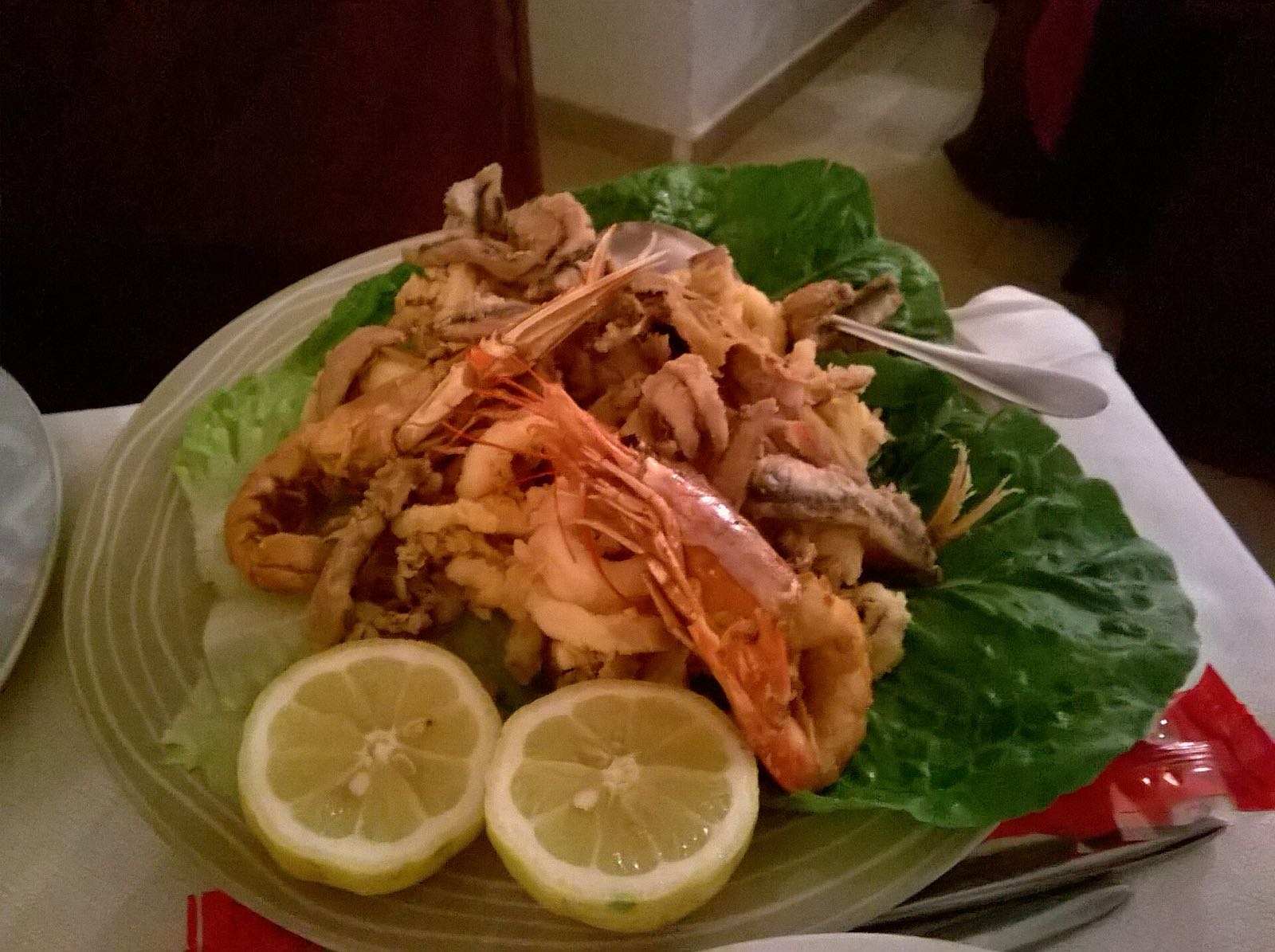
On the island, paranza is never something you order by chance. It is the small fish, the catch left in the nets that nobody at the market would pay for like a sea bass. And yet when it reaches the table golden and crisp, with half a lemon on the side, it wins over everyone from the kids to the grandparents.
Where the name comes from
The word paranza first of all means a boat: the wooden fishing vessels that trawled the seabed, often working in pairs to drag the net. The tiny fish that came up in those nets were too small to fetch a decent price, so the fishermen kept them for home. Dusted in flour and fried, they became dinner. The boat's name passed to the dish, and the poor man's fry became a celebration.
What goes into it
There is no fixed list, and that is exactly the point. Paranza is whatever the sea gave that day. Most often you will find:
- small alici (anchovies), fried whole;
- tiny triglie (red mullet);
- baby hake and other small white fish;
- little squid and shrimp.
If a restaurant offers you paranza, it is perfectly normal to ask what is in it today. A fishmonger or a cook on the island will gladly tell you, and the answer changes from one morning to the next. Be wary of a paranza that looks exactly the same in every season.
How we make it at home
The secret is that there is no secret, only care. The fish is cleaned (anchovies can be left whole or opened, the smallest fish are fried as they are), rinsed and dried thoroughly. Then it goes into the flour, the excess is shaken off in a sieve, and it is lowered into plenty of very hot oil, a few pieces at a time so the temperature does not drop.
A few minutes are enough: once golden, the fish is drained on paper towels and salted only at the end. No batter and no egg in the simplest version. It is eaten straight away, piping hot, with your fingers if you are among friends. A fry left waiting goes soggy, and then it has lost everything.
The cuoppo and the table
In Naples, fried food is also eaten from a cuoppo, a paper cone you hold while you walk. It can be filled with fish, such as anchovies, squid and shrimp, or with the "land fry" of potato croquettes and paste cresciute (little balls of fried leavened dough). The spirit is the same when you eat it looking out over the island's sea.
At the table, paranza arrives as a starter to share in the middle. A fresh, savoury white wine from the island goes with it better than anything else, and a squeeze of lemon is all the dressing it needs.
A few tips from the locals
Order it where you can see fresh fish coming in, and do not be surprised if one day there is none: it means the sea did not provide. Eat small anchovies bones and all, because that is where the flavour is. And do not ask for mayonnaise or sauces, people here would give you a funny look. Paranza needs only salt, lemon and an appetite.