
The island's wild herbs in the kitchen
Rocket, wild fennel, borage: a free larder grows along the paths. How we use them on Ischia, and the rules for foraging safely.
2 min read Ischia
When people think of Ischia they think of the sea. But our cooking, the real home cooking, looks above all to the land: for centuries islanders lived more on the hillsides than on the coast, among vines, vegetable plots and rabbits. And anyone who lives in the countryside soon learns that the edges of the paths are a free larder.
The queen: wild rocket
Here rucola selvatica, wild rocket, really grows everywhere: between dry-stone walls, along the mule tracks, on the paths up towards Mount Epomeo, even near the houses by the sea. It has small, jagged leaves and a far stronger flavour than the cultivated kind, peppery, almost hot.
- Raw, in a salad with cherry tomatoes and a drizzle of oil, or scattered over a pizza fresh from the oven.
- Sautéed with garlic and oil to dress pasta.
- Steeped in alcohol to make rucolino, our green after-dinner amaro.
Wild fennel
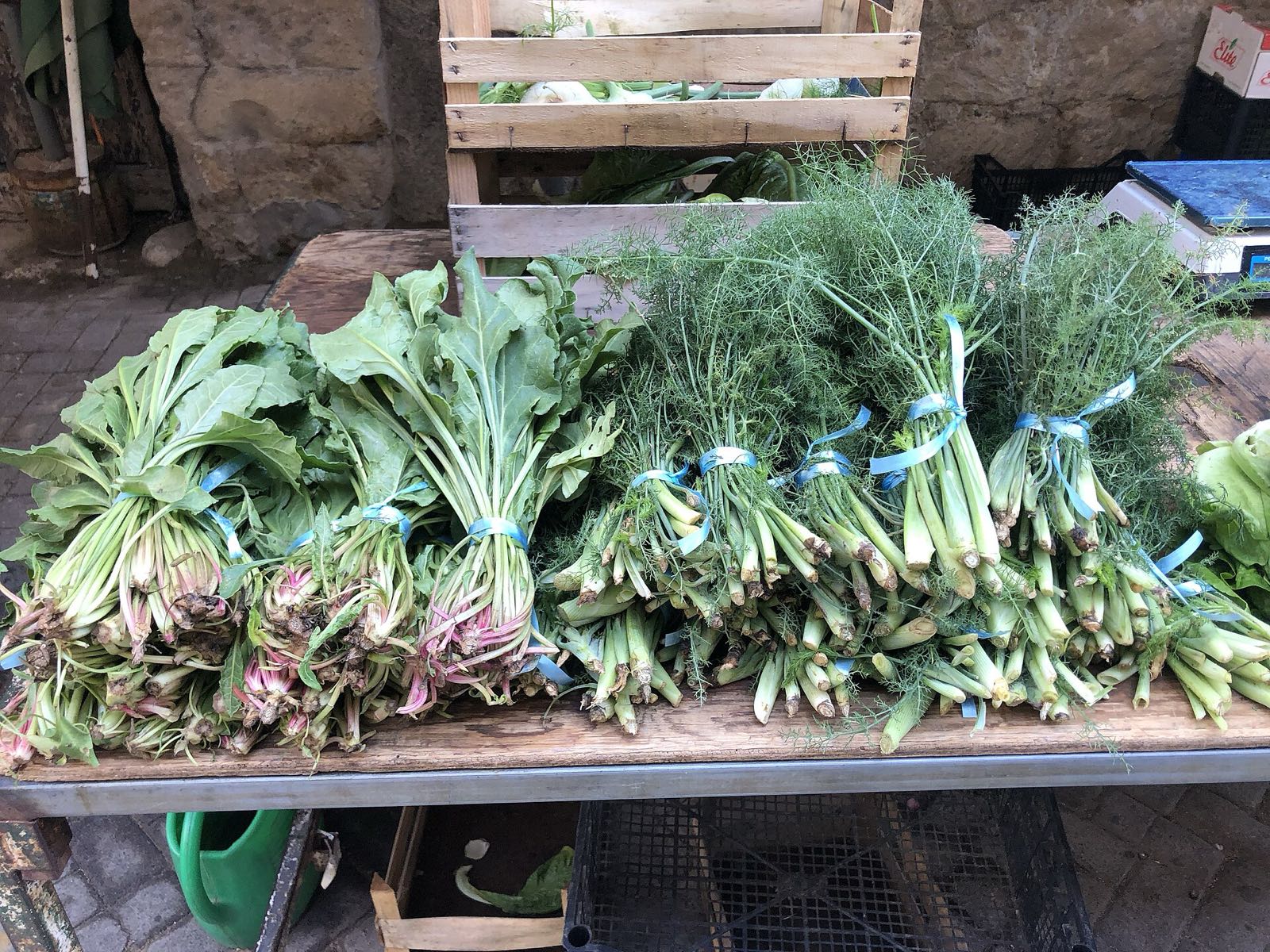
You recognise finocchietto, wild fennel, by its scent before its shape: just brush those hair-thin fronds to smell aniseed. The young leaves, the most fragrant, are the ones mostly used. It goes into omelettes, fish sauces and roast potatoes, and in summer the dried seeds and flowers perfume meat and vegetables.
Borage
Borragine, borage, is easy to spot by its rough, hairy leaves and small blue star-shaped flowers. The leaves are not eaten raw: they are boiled and then used in omelettes, soups or sautéed like other field greens. It is one of those herbs grandmothers gathered without a second thought, along with whatever the field offered that day.
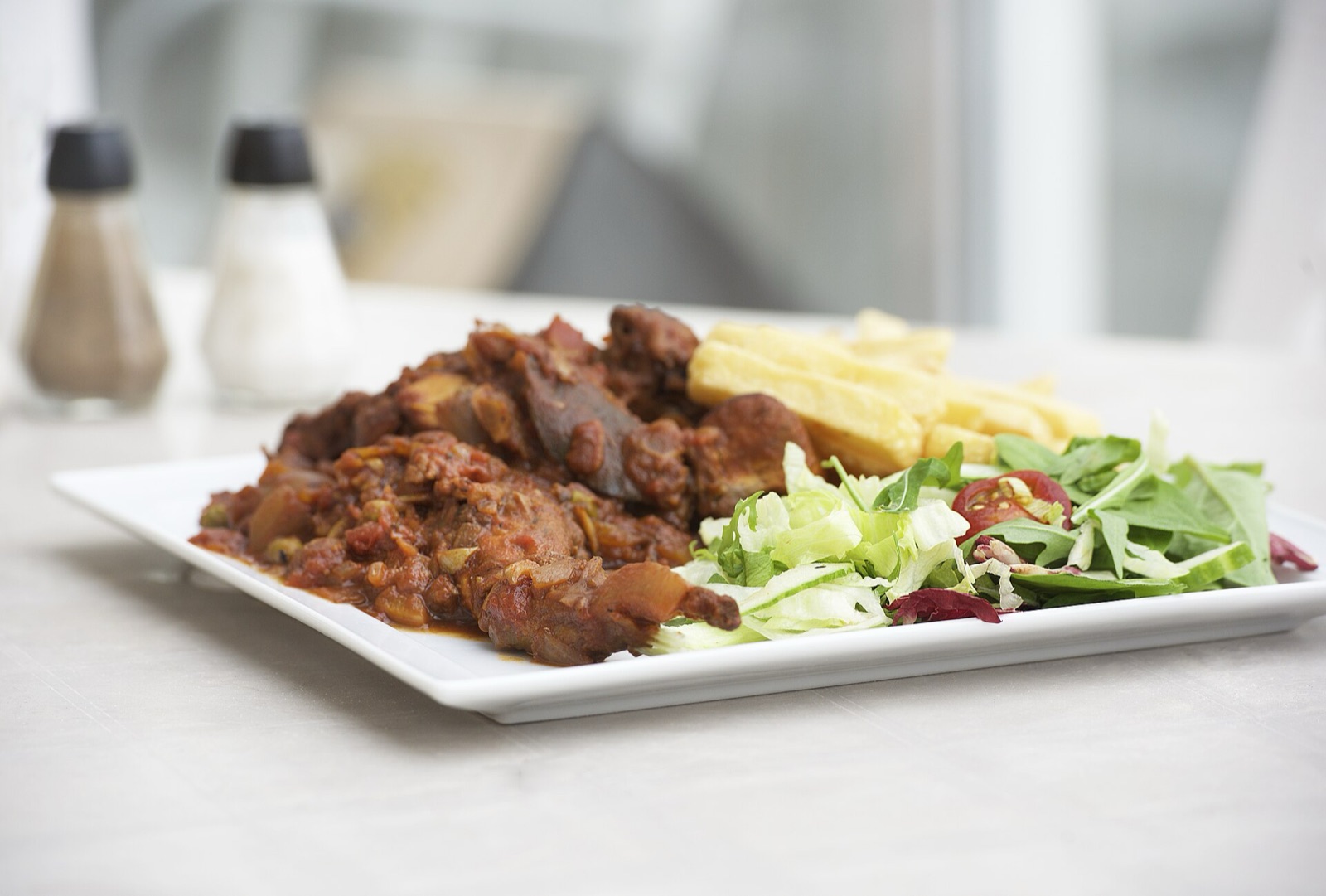
Field herbs also find their way into the island's most famous dishes. Chicken or rabbit cooked in the hot sand of the fumaroles at Maronti beach is prepared in a parcel with vegetables and aromatics such as wild garlic, basil, rosemary and borage. And many home versions of coniglio all'ischitana, our rabbit stew, rely on herbs gathered around the house.
Rules for foraging
Gathering herbs is a pleasure, but it takes good sense.
- Pick only what you can identify with absolute certainty. Some poisonous plants look very like edible ones: mandrake, for example, can be mistaken for borage.
- Keep away from busy roads, sprayed fields and verges where dogs are walked.
- Take little and leave the plant able to grow back. Do not pull up the roots.
- Respect private property and protected areas: a lot of land, even if it looks abandoned, has an owner.
- Wash everything carefully before cooking.
The easiest way to start
If you are not experienced, there is only one piece of advice: go with someone who knows. Many of the island's farmers are happy to show you what grows around their land, and in the hillside trattorias these herbs often turn up on the plate. Taste them there, ask what they are called and how they are cooked. It is the most Ischian way to learn: at the table, unhurried, with a glass of island wine beside you.