
Cooking in the Maronti fumaroles: lunch baked by the sand
At the Maronti fumaroles the sand gets so hot that we islanders cook lunch in it. Here is how fumarole chicken came about, and how to try it without burning your fingers.
3 min read Barano d'Ischia
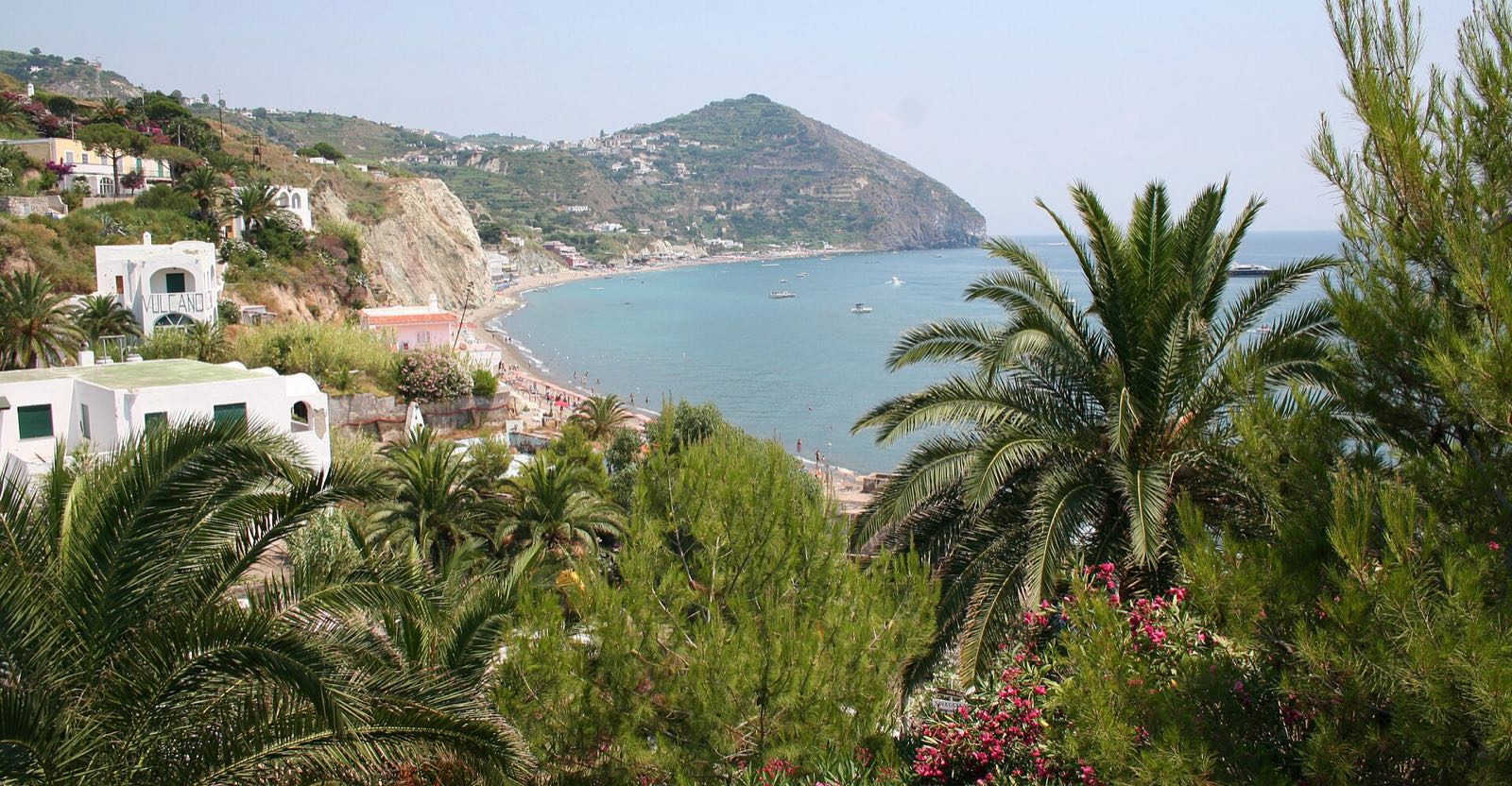
Anyone arriving at Maronti for the first time thinks it is just another beach: long, dark, sheltered by hills. Then they walk towards the end that faces Sant'Angelo, see steam rising from the sand and understand. The volcano is right underneath, and here we do not waste that heat: we cook with it.
A beach that really is hot
Maronti beach lies in the municipality of Barano and stretches for about three kilometres along the island's south coast. Towards Sant'Angelo you find the fumarole: spots where underground heat pushes out steam, on the sand and in the sea too, where with a mask you can watch gas bubbles rise from the seabed.
Dig just a little and the sand becomes scorching. Sources speak of temperatures around a hundred degrees in the hottest spots; those who have cooked here for years measure lower values, around eighty, which are perfect for slow cooking. In practice, a natural open-air oven.
Fumarole chicken
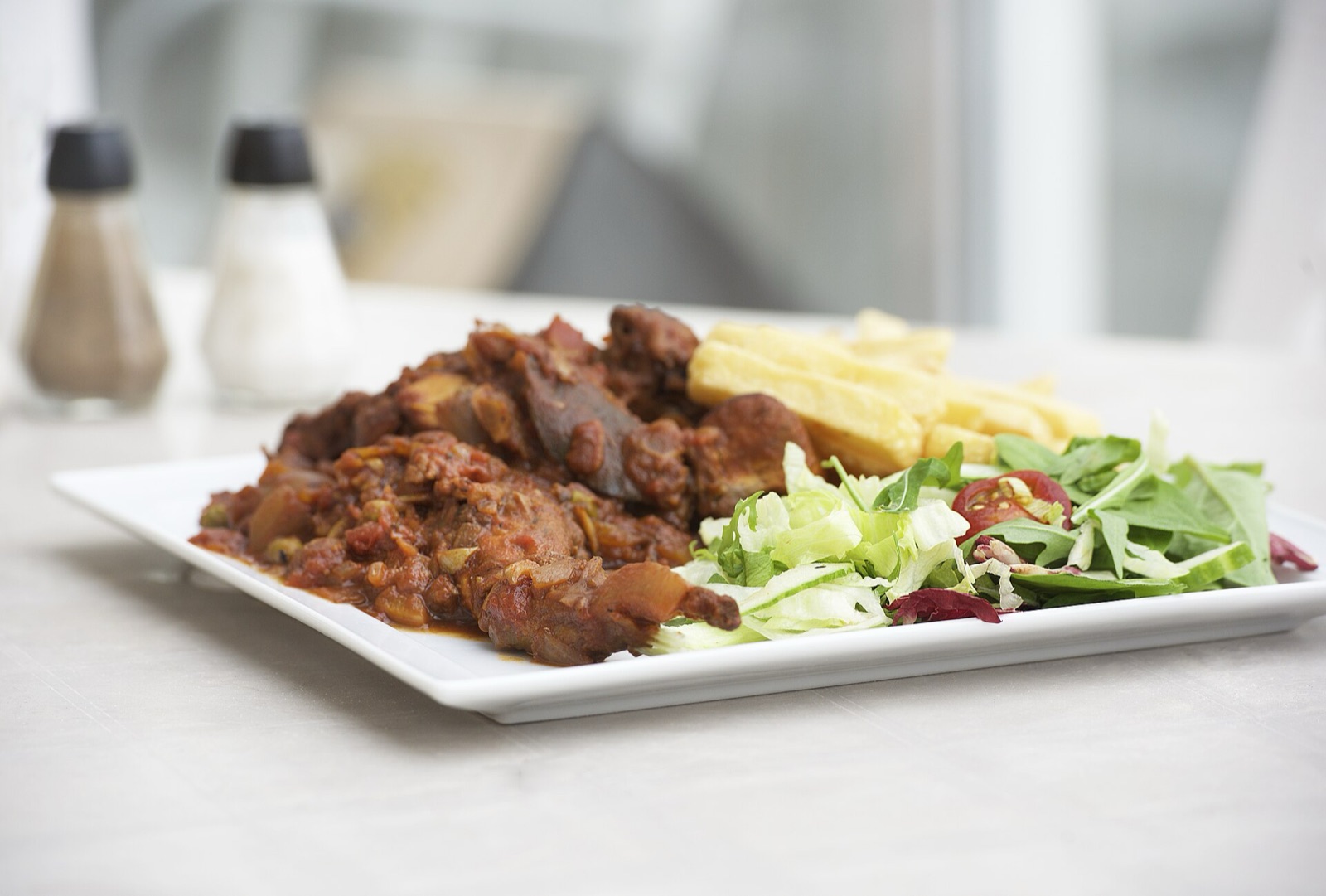
The signature dish is pollo delle fumarole, fumarole chicken. The logic is that of peasant cooking: people who had no firewood used the heat the earth gave them for free. The chicken is seasoned with onions, tomatoes, potatoes and island herbs such as wild garlic, basil, rosemary and borage, then wrapped into a tight bundle so the flavours stay inside. Today it goes into foil or a sealed cloth; the principle is the same.
The bundle goes into a hole in the hot sand, gets covered up, and then you wait. After about an hour it is dug out and opened, revealing very tender meat cooked in its own steam, tasting of the vegetable garden and the sea at once. Some families use rabbit instead of chicken, as island tradition likes.
Eggs, potatoes and small experiments
You do not need a whole lunch to see how it works. Many of us tried it as kids with an egg or a few potatoes:
- season them and wrap them well in foil;
- bury them about ten centimetres deep, where the sand is hot;
- mark the spot with a stone or a stick, or you will never find it again;
- wait patiently and dig it out with a tool, never with bare hands.
Timing depends on how hot the sand is in that spot on that day: better to check once more than to serve a raw potato.
Getting there and how to behave
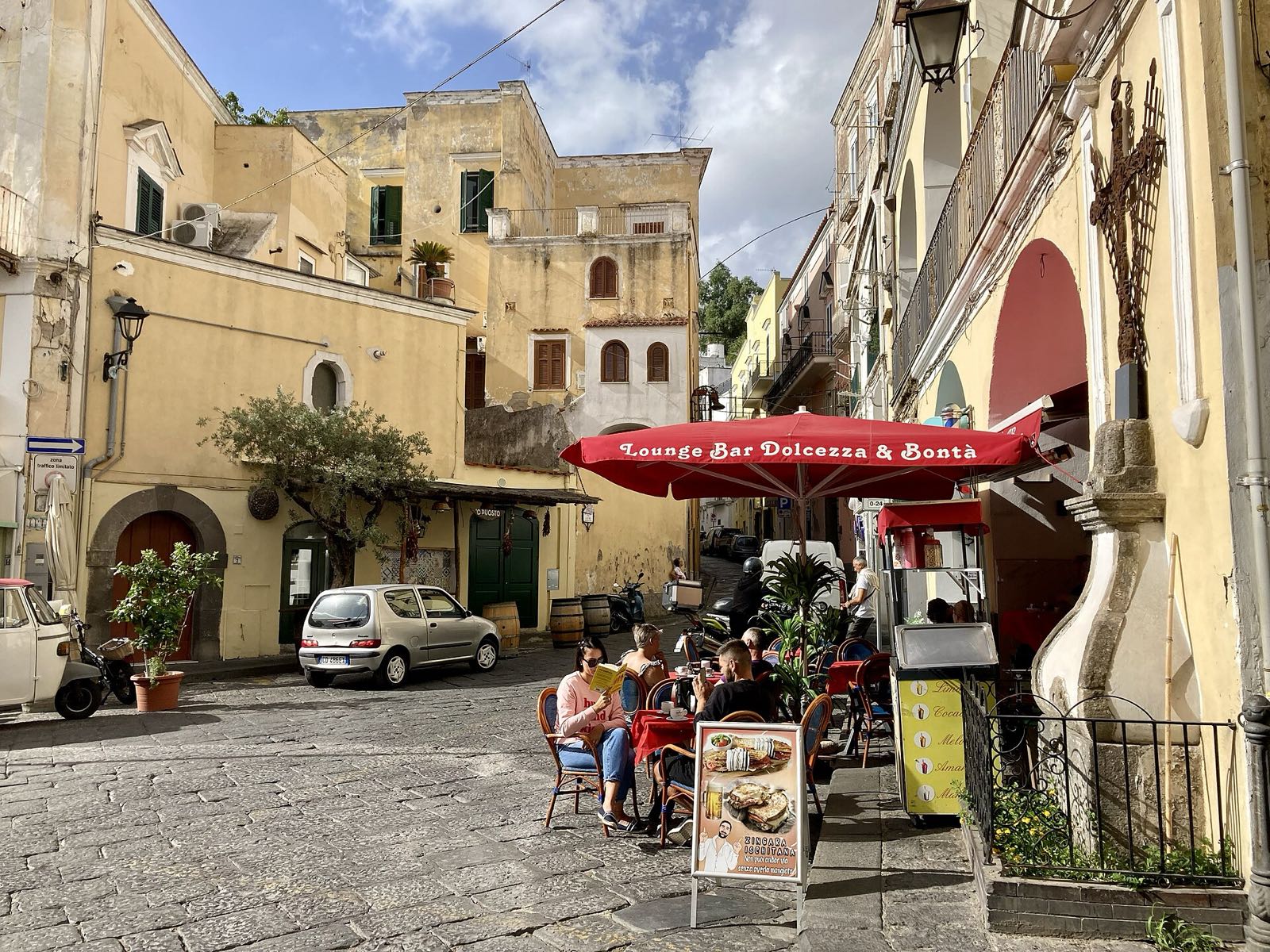
You reach Maronti on foot from Sant'Angelo, along a path of about ten minutes, or by the taxi boats leaving the little harbour. On the beach there are free stretches, equipped lidos and restaurants: some places have revived sand cooking, and if you want to taste fumarole chicken without making it yourself, just ask on the spot.
A few common-sense rules that we learn as children:
- do not walk barefoot near the fumaroles, and move carefully on the pale rocks;
- in summer avoid the middle of the day: the sand is already hot on its own, and under the sun it becomes unbearable;
- take everything away with you, foil included. The beach belongs to everyone, and the volcano deserves respect.
That is the real charm: eating something cooked by the island itself, with your feet near the sea and steam rising beside you. It is not a tourist trick, it is a piece of our history.